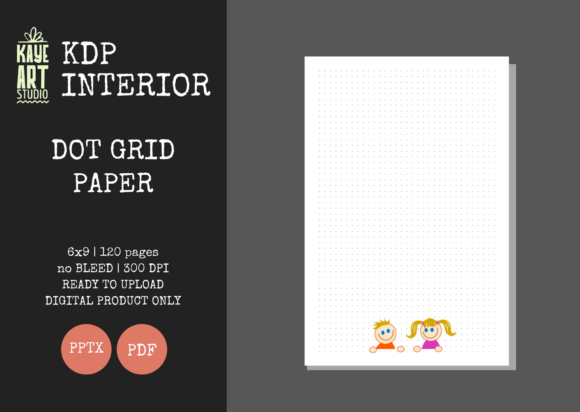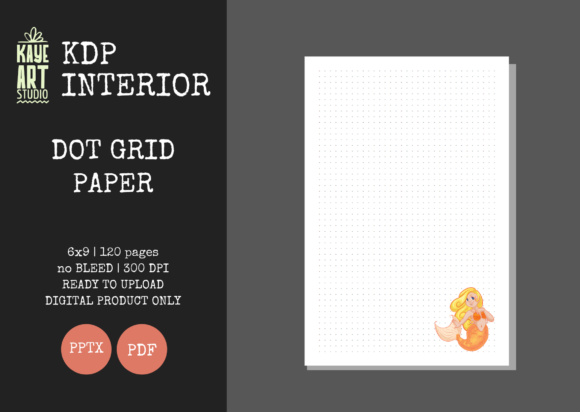
KDP Dot Grid Paper 49: Streamlined Journal Interiors
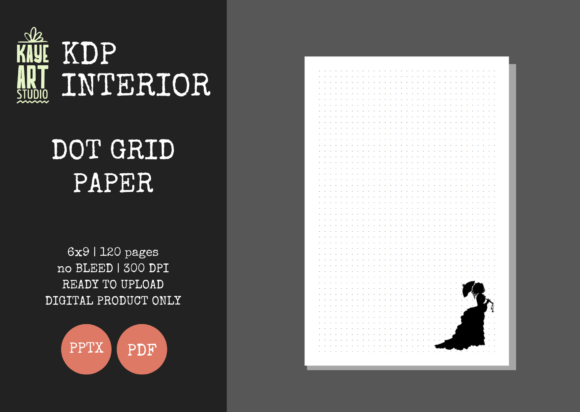
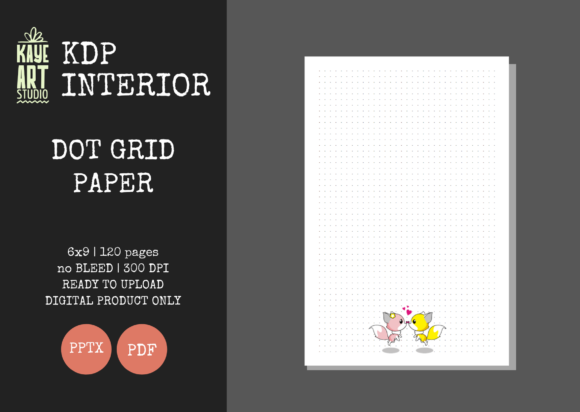
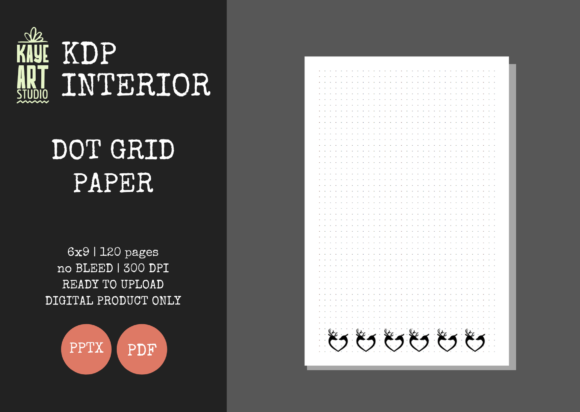
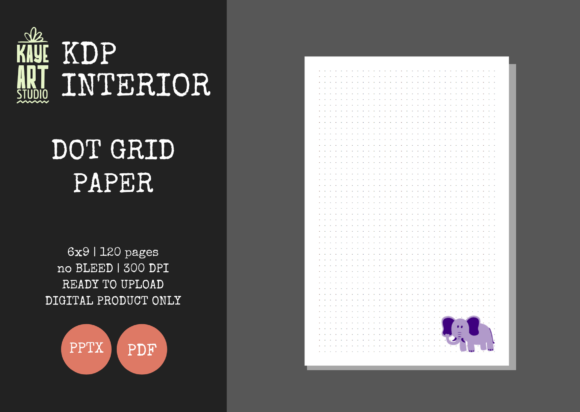
Building a sustainable no-content or low-content publishing business on Amazon requires more than just uploading generic templates. It demands efficiency, quality, and an understanding of what end-users actually want to write in. KDP Dot Grid Paper 49 serves as a foundational asset for creators looking to bypass the tedious design phase without sacrificing professional standards. This specific interior template is engineered to solve the most common friction points in self-publishing: formatting errors, bleed issues, and resolution inconsistencies. By utilizing a pre-tested 6x9 inch layout with 120 pages of precision dot grids, publishers can focus their energy on niche research and cover design rather than wrestling with margin settings.
Technical Precision and Upload Readiness
The primary value proposition of this interior lies in its technical compliance. One of the most frequent reasons for KDP rejection or poor customer reviews involves improper bleed settings or low-resolution printing. KDP Dot Grid Paper 49 is configured specifically with NO BLEED settings, which simplifies the upload process significantly for beginners while ensuring the content remains safely within the printable area. The file is delivered at 300 DPI, the industry standard for crisp, clean printing. Fuzzy or pixelated dots are a hallmark of amateur interiors that lead to negative feedback; this template eliminates that risk entirely.
Unlike static PDFs found in many free resource libraries, this package includes an editable PowerPoint (PPTX) file alongside the print-ready PDF. This distinction is crucial for serious publishers. While the PDF is ready for immediate upload, the PPTX source file grants you ownership over the layout. You can adjust margins, add branding elements to the footer, modify the dot opacity, or insert introductory pages without needing expensive software like Adobe InDesign. This flexibility transforms a static product into a customizable base for a broader series of journals.
Why the 6x9 Format Dominates the Market
Selecting the right trim size is a strategic decision, not merely an aesthetic one. The 6x9 inch dimension included in KDP Dot Grid Paper 49 represents the "goldilocks" zone for adult journals. It offers sufficient writing space for detailed note-taking and sketching while remaining portable enough to fit in standard bags and backpacks. For professionals and students, this size strikes the perfect balance between utility and convenience. Larger formats like 8.5x11 often feel too academic or cumbersome for daily carry, while smaller A6 sizes can feel restrictive for bullet journaling or project planning. By standardizing on 6x9, you align your products with the highest volume of search intent in the journal category.
Practical Applications Across User Segments
Dot grid paper occupies a unique position in the stationery market because it bridges the gap between structured lined paper and blank creative space. Understanding who uses this format helps in positioning your book effectively. KDP Dot Grid Paper 49 is versatile enough to serve multiple distinct audiences without requiring significant modification.
- Bullet Journalists: This remains the core demographic. They require consistent dot spacing to create custom layouts, trackers, and calendars. The uniformity of this template supports the rapid logging methodology essential to the BuJo community.
- STEM Students and Engineers: Unlike writers who prefer lines, technical users need grids for graphing functions, drawing circuit diagrams, or sketching molecular structures. The unobtrusive dots provide guidance without interfering with complex visual data.
- UX/UI Designers and Architects: Creative professionals use dot grids for wireframing and spatial planning. The subtle guide points help maintain alignment during the ideation phase without the visual noise of heavy grid lines.
- Hand Lettering Artists: Consistency in baseline and x-height is critical for typography practice. Dot grids offer reference points for letter spacing and slant angles that blank paper cannot provide.
- Project Managers: For those utilizing Agile or Kanban methodologies in analog formats, dot grids allow for flexible task mapping and sprint planning that adapts to changing project scopes.
Strategic Considerations for Publishers
When integrating KDP Dot Grid Paper 49 into your catalog, it is vital to remember that this listing covers the interior only. Your competitive advantage will come from how you package this utility. Since the interior is standardized, your cover design and metadata must do the heavy lifting. Avoid generic titles like "Dot Grid Notebook." Instead, tailor your exterior to specific use cases enabled by the interior. A cover targeting "Engineering Graph Paper" will convert differently than one targeting "Minimalist Bullet Journal," even though the internal pages are identical.
Furthermore, consider the paper weight implications of the 120-page count. This length provides substantial value without making the spine too thick for comfortable writing near the gutter. However, because KDP standard color paper is 55# (90 GSM), users should be aware that heavy markers may ghost. Being transparent about this in your book description manages customer expectations and reduces returns. Position the notebook as ideal for pens, pencils, and fine liners, which aligns perfectly with the intended use case of dot grid paper.
Efficiency and Scalability in Low-Content Publishing
Time is the most limited resource for any independent publisher. Creating a flawless 120-page interior from scratch, testing margins, verifying DPI, and converting files can consume hours that would be better spent on keyword research or marketing. KDP Dot Grid Paper 49 acts as a force multiplier. Because the files have been tested on KDP, you eliminate the trial-and-error phase of publishing. This reliability allows for faster iteration. You can launch a test title in minutes, gauge market response, and pivot quickly if necessary.
The inclusion of the editable PPTX file also supports long-term brand building. As you identify winning niches, you can create a cohesive visual identity across your interiors. Perhaps you want to add a subtle logo to the bottom corner of every page or include a specific index template at the front. These small modifications, made possible by the source file, elevate a commodity product into a branded experience. Customers begin to recognize your books not just by the cover, but by the thoughtful interior details that enhance their user experience.
Evaluating Quality Beyond the Specs
While technical specifications like 300 DPI and no-bleed settings are objective measures of quality, the subjective experience matters equally. The dot spacing in KDP Dot Grid Paper 49 is calibrated for optimal usability. Dots that are too dark become distracting; dots that are too light disappear during scanning or photocopying. This template aims for that middle ground where guides are visible during use but recede when the page is filled with content. This attention to detail distinguishes professional-grade interiors from hastily assembled alternatives.
For entrepreneurs and freelancers managing a portfolio of KDP assets, consistency builds trust. When a customer buys one of your journals and finds the interior clean, properly aligned, and functional, they are more likely to purchase future titles. Using verified templates like this ensures that every product meeting your brand name meets a baseline standard of excellence. In a marketplace saturated with low-effort uploads, quality assurance is your primary differentiator.
Ultimately, KDP Dot Grid Paper 49 is a tool designed to remove technical barriers so you can focus on the creative and strategic aspects of publishing. Whether you are launching your first journal or scaling an existing catalog, having a reliable, tested, and editable interior foundation allows you to move faster and publish with confidence. The combination of immediate upload readiness and long-term customization potential makes it a practical investment for anyone serious about the no-content business model.