KDP Dot Grid Paper 47: Streamlined Journal Interiors
Building a sustainable no-content or low-content publishing business on Amazon requires more than just uploading generic templates; it demands efficiency, quality, and an understanding of what end-users actually want to write in. KDP Dot Grid Paper 47 addresses these needs by providing a specialized, pre-formatted interior that eliminates the technical friction often associated with self-publishing. For entrepreneurs, educators, and creators looking to expand their catalog without spending hours adjusting margins or worrying about bleed settings, this resource serves as a foundational asset. It is not merely a collection of dots; it is a production-ready file designed to meet specific KDP standards while offering the versatility that modern journal users expect.
Technical Precision and Production Readiness
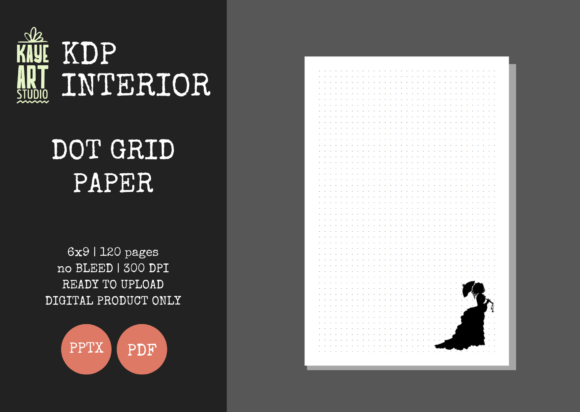
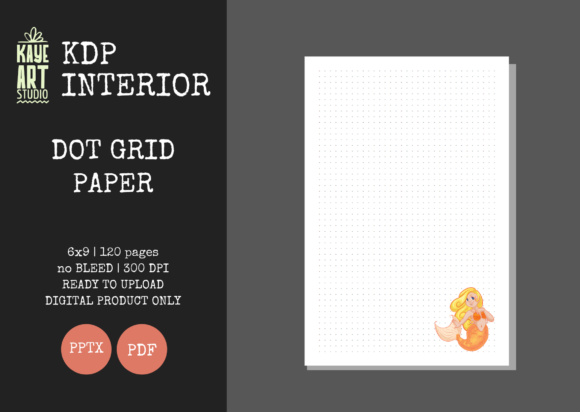
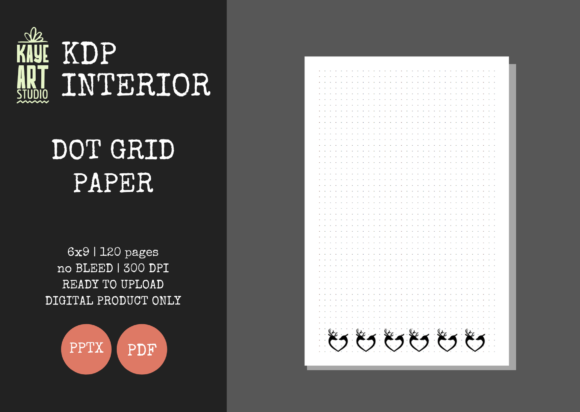
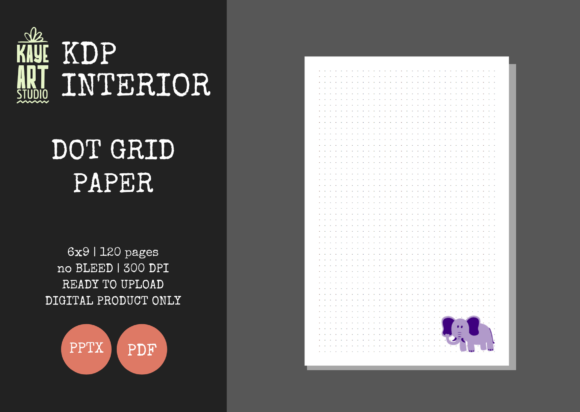
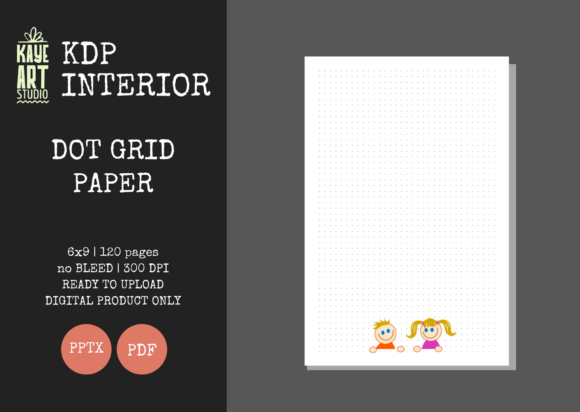
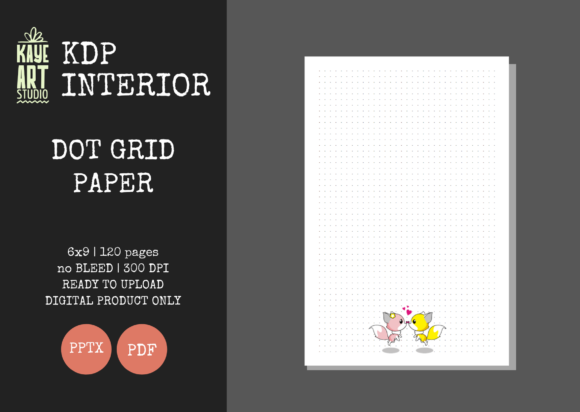
The primary value proposition of KDP Dot Grid Paper 47 lies in its rigorous adherence to printing specifications. Self-publishers frequently encounter rejection notices or poor print results due to incorrect margin calculations or resolution issues. This interior template resolves those pain points immediately. Formatted specifically for a 6×9 inch trim size with no bleed settings, it ensures that the dot grid remains perfectly centered and within safe zones on every page. The 120-page count is strategically chosen to balance spine width visibility with cost-effectiveness, making it an ideal standard for trade paperback journals.
Quality control is non-negotiable in this niche. Files are rendered at 300 DPI, ensuring crisp, professional printing rather than the pixelated or fuzzy lines that plague amateur submissions. Whether you choose the PDF for direct upload or the PPTX file for customization, the assets have been tested on KDP’s platform. This testing phase is crucial because it saves you from the trial-and-error loop that can delay product launches by days or weeks. By utilizing a verified template, you shift your focus from technical troubleshooting to marketing and niche research.
Versatility Across Professional and Creative Niches
Dot grid paper occupies a unique middle ground between structured lined paper and blank sketching space, making KDP Dot Grid Paper 47 applicable to a wide demographic. For professionals and marketers, the subtle grid facilitates bullet journaling, project planning, and mind mapping without the visual clutter of heavy graph lines. It supports rapid logging and task management systems that are popular among productivity enthusiasts. Unlike rigid planners, this format allows users to create their own layouts, tables, and trackers as needed, which increases the perceived value of the journal.
In educational and creative environments, the utility expands further. Architects, designers, and artists prefer dot grids for sketching because the dots provide alignment guidance without interfering with the artwork itself. For students and lifelong learners, this paper type supports note-taking methodologies like the Cornell system or visual note-taking where spatial organization matters. When selecting interiors for your KDP business, consider how this specific grid spacing appeals to hobbyists who engage in hand lettering, geometric drawing, or technical diagramming. The neutrality of the design means one interior can serve multiple distinct niches, from "Engineering Field Notes" to "Creative Writing Journals," simply by changing the cover and title metadata.
Customization and Brand Differentiation
While the ready-to-upload PDF offers speed, the inclusion of an editable PowerPoint file is where long-term business value emerges. Successful KDP publishers know that differentiation is key to avoiding market saturation. With the PPTX version of KDP Dot Grid Paper 47, you can modify the interior to create a proprietary product. You might add a branded footer, insert introductory pages explaining a specific journaling method, or adjust the dot opacity to suit a particular aesthetic. This capability transforms a commodity interior into a unique brand asset.
For freelancers and agencies creating client merchandise, this editability allows for bespoke solutions without hiring a graphic designer. You can tailor the interior to match corporate branding guidelines or specific event themes. However, it is vital to remember that this listing covers the interior only. You must design or source your own covers. This separation is actually beneficial, as it encourages you to treat the cover and interior as complementary but distinct design challenges. A high-quality, relevant cover paired with this reliable interior creates a cohesive user experience that drives positive reviews and repeat customers.
Strategic Implementation for Publishers
Integrating KDP Dot Grid Paper 47 into your workflow should be part of a broader quality strategy. When evaluating this or similar assets, always download the preview files to verify that the dot weight and spacing align with your target audience's preferences. Some niches prefer darker dots for high contrast, while others favor faint guides for minimalist aesthetics. Understanding these nuances helps you select the right variation or customize the PPTX file effectively before publishing.
Efficiency in no-content publishing does not mean sacrificing user experience. On the contrary, using professionally engineered interiors like this one enhances the end product. Users notice when pages are properly aligned and when the paper texture (simulated through print quality) feels intentional. By leveraging a tested 300 DPI template, you ensure that the physical book matches the digital promise. Furthermore, because the file is optimized for the 6×9 no-bleed specification, you reduce the risk of manufacturing errors that lead to wasted ad spend or returned inventory.
Practical Considerations for Success
When building a journal line around this interior, keep the following practical factors in mind to maximize both usability and commercial viability:
- Cover Alignment: Since the interior is no-bleed, ensure your cover design accounts for the safe zone. Text and critical imagery should not encroach on the area where the interior margin begins.
- Niche Specificity: Avoid generic titles like "Dot Grid Notebook." Instead, pair this interior with specific use cases such as "Lab Notebook for Chemistry Students" or "UX Wireframing Journal" to capture targeted search traffic.
- Paper Opacity Awareness: Remember that KDP standard paper has limitations. While 300 DPI ensures sharp dots, advise customers in your description that heavy markers may bleed through, positioning the journal best for pens, pencils, and fine liners.
- Value Addition: Use the editable PPTX to add 2-4 pages of front matter. A simple "How to Use This Journal" section or an index page can significantly increase perceived value over competitors using identical raw grids.
- File Management: Maintain organized records of which version (PDF vs. customized PPTX) was used for each ASIN. This prevents confusion during future updates or expansions of the series.
Ultimately, KDP Dot Grid Paper 47 represents a balance of convenience and professionalism. It removes the technical barriers to entry while providing the flexibility needed to build a distinctive brand. For the serious publisher, it is less about the dots themselves and more about the reliable infrastructure they provide for a scalable publishing business. By focusing on real-world applications and maintaining high production standards, you transform a simple digital file into a tangible tool that serves the daily lives of writers, thinkers, and creators.