Evaluating KDP Dot Grid Paper 42 for Low-Content Publishing
Selecting the right interior template is often the most critical technical decision in low-content publishing. While cover design attracts the initial click, the interior determines customer satisfaction, review ratings, and long-term sales velocity. KDP Dot Grid Paper 42 represents a specific configuration within this ecosystem, designed to balance aesthetic appeal with technical compliance for Amazon’s print-on-demand infrastructure. For publishers aged 20 to 50 who are building or scaling a portfolio, understanding the precise specifications of this template—and how it compares to other market options—is essential for minimizing returns and maximizing asset utility.
Technical Specifications and Format Utility
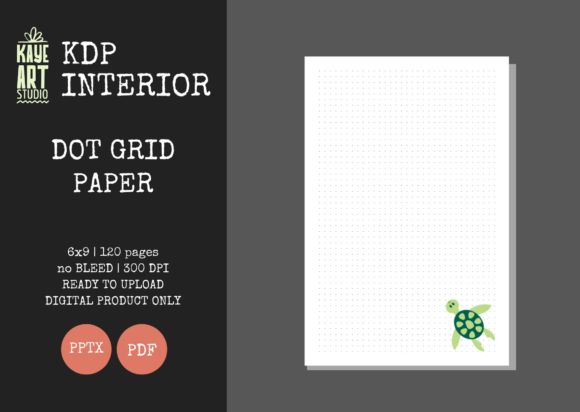
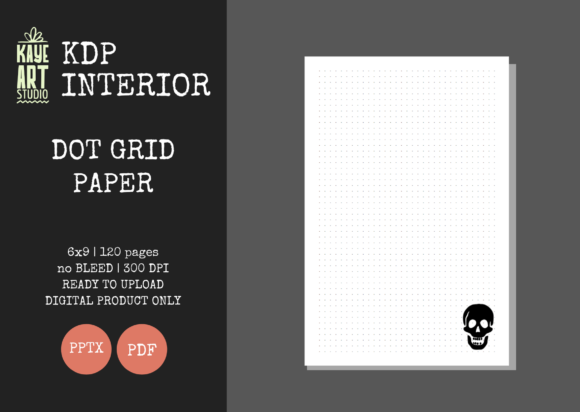
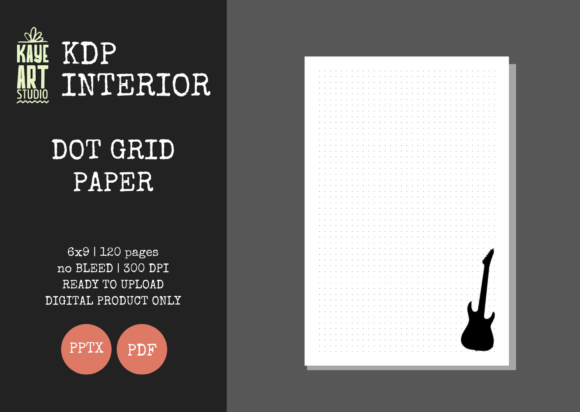
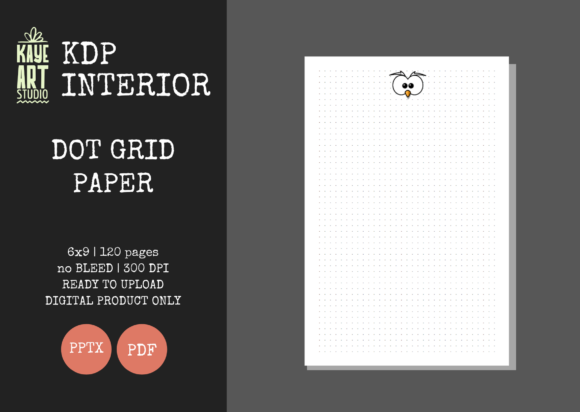
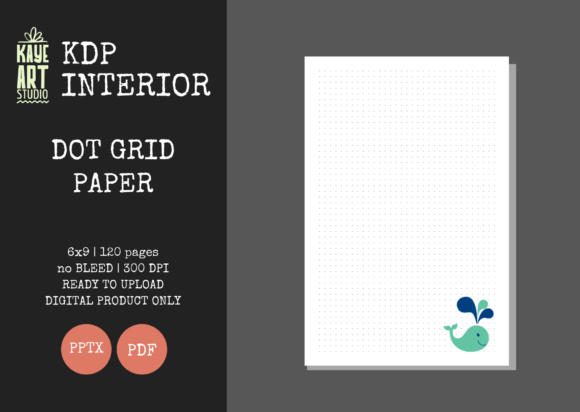
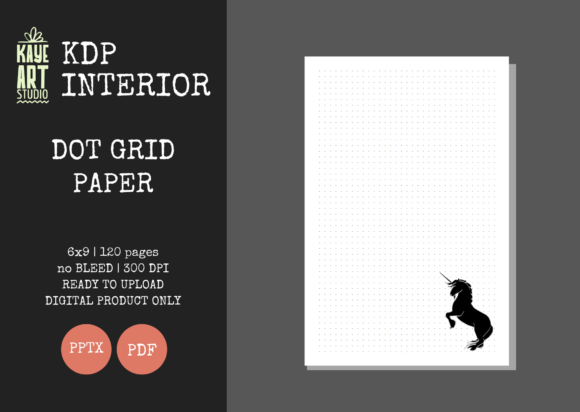
KDP Dot Grid Paper 42 is defined by a specific set of production parameters that distinguish it from generic templates found on free resource sites. The core specification is a 6×9 inch trim size with 120 pages, configured specifically with no bleed settings. This distinction is vital for new publishers. A no-bleed interior means the content does not extend to the physical edge of the paper; instead, a safety margin is maintained. This significantly reduces the risk of rejection during the KDP upload process, as trimming variances are less likely to cut into the grid pattern.
The file delivery includes both PDF and PPTX formats at 300 DPI. While the PDF serves as the final upload-ready file, the inclusion of an editable PowerPoint source file provides strategic flexibility. Many pre-made interiors lock users into a static design. With the PPTX version associated with KDP Dot Grid Paper 42, publishers can adjust dot opacity, modify margins, add proprietary branding elements, or insert introductory pages without needing advanced graphic design software like Adobe InDesign. This editability transforms a static product into a foundational asset that can be adapted across multiple niches.
Comparing Dot Grid Variations and Alternatives
When researching interiors, publishers often encounter various dot grid styles. It is helpful to categorize where KDP Dot Grid Paper 42 fits relative to these alternatives.
Dot Spacing and Density
The "42" designation typically refers to a specific variation in grid density or style identifier that differentiates it from standard 5mm grids. Standard dot grids usually feature high-contrast black dots spaced at exact 5mm intervals. Alternative variations may use lighter gray dots to reduce visual noise, or wider spacing for users who prefer more expansive writing areas. When evaluating KDP Dot Grid Paper 42 against standard options, consider the end-user's primary intent. Dense, dark grids favor technical drawing and bullet journaling precision, while lighter, sparser grids often appeal to creative writers or those using the notebook for mixed-media sketching where the guide should remain subtle.
No-Bleed vs. Full-Bleed Interiors
A major decision point in low-content publishing is choosing between bleed and no-bleed formats. Full-bleed dot grids offer a premium, edge-to-edge look that mimics high-end retail stationery. However, they require precise formatting and carry a higher risk of printing errors if margins are miscalculated. KDP Dot Grid Paper 42 utilizes a no-bleed format, which prioritizes safety and consistency over the premium edge-to-edge aesthetic. For publishers focusing on volume or those new to KDP’s printing tolerances, the no-bleed format of KDP Dot Grid Paper 42 offers a lower barrier to entry and fewer quality control headaches compared to full-bleed alternatives.
Page Count Considerations
At 120 pages, this template sits in the mid-range category. Competing options often range from 80 pages (budget-friendly but perceived as thin) to 200+ pages (premium feel but higher printing costs). The 120-page count of KDP Dot Grid Paper 42 strikes a practical balance. It provides sufficient bulk to justify a mid-tier price point while keeping printing costs low enough to maintain healthy royalty margins. Publishers comparing this to 80-page alternatives should calculate whether the perceived value increase of 40 additional pages justifies the marginal cost difference in their specific niche.
Strategic Fit: When This Template Works Best
Not every interior suits every business model. KDP Dot Grid Paper 42 is particularly well-suited for specific publishing scenarios based on its technical and editable nature.
- Niche Testing: Because the PPTX file allows for rapid customization, this template is ideal for publishers testing multiple micro-niches. You can create a "Gardening Planner," a "Fitness Tracker," and a "Student Notebook" using the same base grid simply by changing the title page and adding niche-specific trackers, without redesigning the core interior.
- Beginner Portfolios: The no-bleed 6×9 format is the industry standard for safe uploading. Publishers still learning KDP’s margin requirements will find this template reduces technical friction, allowing focus on keyword research and cover design rather than troubleshooting print errors.
- Hybrid Journals: If your strategy involves combining dot grid paper with lined sections or prompt pages, the editable nature of this file makes integration seamless. Static PDFs cannot be easily merged or modified, whereas this PPTX foundation supports hybrid content creation.
Limitations and Tradeoffs to Consider
An objective evaluation must also address where KDP Dot Grid Paper 42 may fall short. Understanding these limitations prevents mismatched expectations.
Cover Creation Required: This listing provides the interior only. Publishers must source or design a separate cover that matches the 6×9 no-bleed spine width calculated for 120 pages. Using a cover designed for a different page count or bleed setting will result in upload failure. This adds a step to the workflow compared to bundled interior-cover packages.
Standardization Saturation: Because 6×9 dot grid journals are a mature category, differentiation relies heavily on cover design and niche targeting. The interior itself, while functional, is a commodity. Publishers relying solely on the interior quality of KDP Dot Grid Paper 42 without strong marketing or unique cover art may struggle to stand out against established competitors.
Editability Learning Curve: While PowerPoint is accessible, it is not a professional layout tool. Publishers accustomed to InDesign may find PPTX limiting for complex typographic adjustments. Conversely, those unfamiliar with master slides in PowerPoint may inadvertently alter grid alignment. The flexibility is a strength, but it requires basic competency to execute correctly.
Making an Informed Selection Decision
Choosing KDP Dot Grid Paper 42 should be a data-informed decision rather than an impulse purchase. Evaluate your current needs against the following criteria:
- Assess Your Technical Comfort: If you have previously struggled with bleed settings or margin rejections, the no-bleed configuration of this template solves a specific pain point. If you are experienced with full-bleed formatting and demand that premium aesthetic, this may feel too conservative.
- Calculate Royalty Margins: Use the KDP royalty calculator with the 120-page 6×9 specification. Ensure the resulting royalty aligns with your business targets at your intended price point. Compare this directly against 100-page or 150-page alternatives to see if 120 pages represents your optimal profit zone.
- Evaluate Customization Needs: If you plan to publish identical dot grid journals with only cover changes, a cheaper static PDF might suffice. If you intend to build a branded series with consistent interior elements or niche-specific modifications, the PPTX inclusion in KDP Dot Grid Paper 42 provides tangible ROI through time savings and asset reuse.
- Verify Niche Alignment: Research your target keywords. Do top-selling books in your niche use dense black dots or light gray? Does the 6×9 size dominate, or do customers prefer larger formats? KDP Dot Grid Paper 42 should match demonstrated market preferences, not contradict them.
Ultimately, KDP Dot Grid Paper 42 serves as a reliable, mid-specification foundation for low-content publishers who value technical safety and moderate customizability. It occupies a practical middle ground between rigid free templates and expensive custom design services. By weighing its no-bleed safety, editable format, and 120-page balance against your specific publishing goals and niche requirements, you can determine whether this particular configuration supports your long-term portfolio strategy or if alternative specifications better serve your objectives.