Evaluating KDP Dot Grid Paper 32 for Low Content Publishing
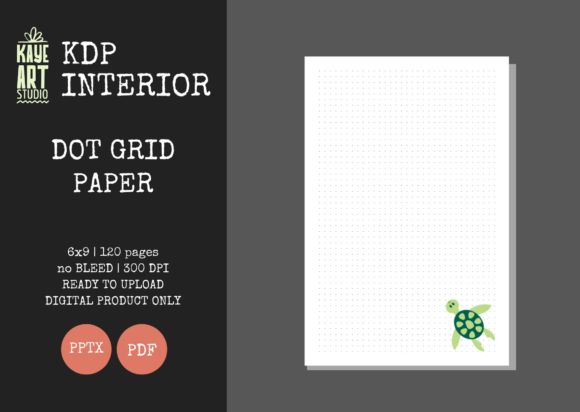
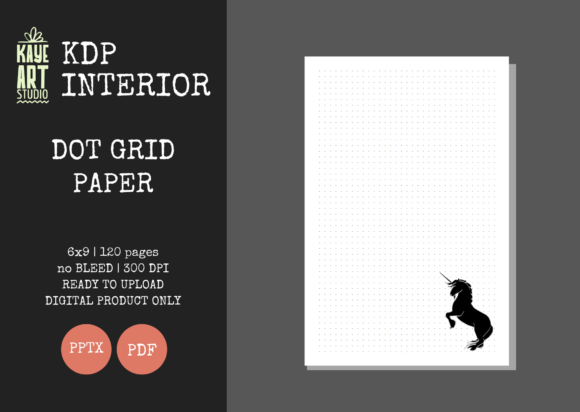
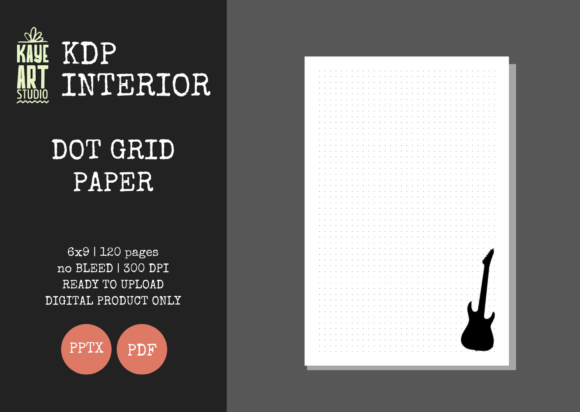
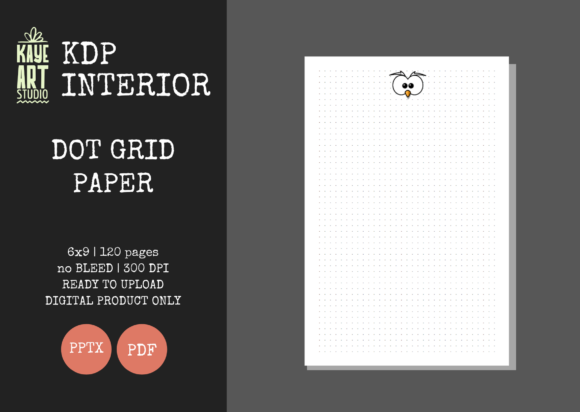
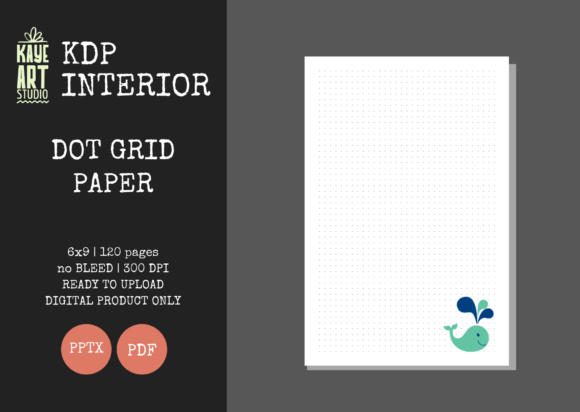
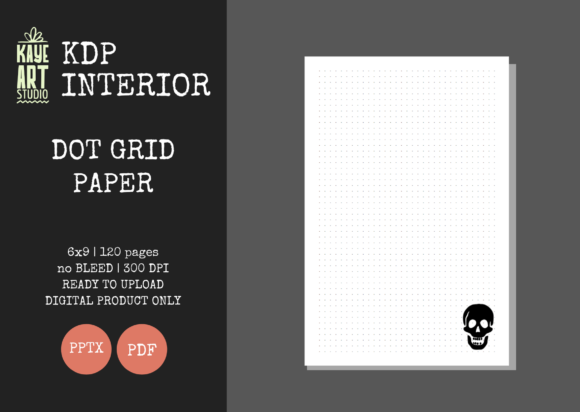
Selecting the right interior template is a foundational decision for any Amazon KDP publisher operating in the low or no-content niche. KDP Dot Grid Paper 32 represents a specific configuration designed to streamline the publishing process for creators focusing on bullet journals, sketchbooks, and technical notebooks. This resource provides a pre-formatted 6x9 inch interior with 120 pages of dot grid paper, available in both PDF and editable PPTX formats at 300 DPI. Understanding the practical applications, limitations, and strategic fit of this asset is essential for publishers aiming to maintain quality standards while optimizing production efficiency.
Defining the Asset and Technical Specifications
KDP Dot Grid Paper 32 is not merely a generic background; it is a production-ready file tailored to specific KDP printing requirements. The "no bleed" setting is a critical technical distinction. In KDP terminology, no bleed means the content does not extend to the very edge of the page. Instead, a safe margin is maintained around all four sides. For a 6x9 inch trim size, this ensures that the dot grid remains fully visible after the physical trimming process during manufacturing, preventing dots from being accidentally cropped off.
The inclusion of an editable PowerPoint (PPTX) file alongside the standard PDF adds a layer of versatility often missing in static templates. While the PDF is ready for immediate upload, the PPTX allows publishers to modify margins, adjust dot opacity, add branding elements, or insert introductory pages without requiring advanced graphic design software like Adobe InDesign. The 300 DPI resolution ensures that the dots print crisply on standard KDP white paper, avoiding the pixelation or blurriness that can lead to negative customer reviews regarding print quality.
Strategic Fit for No and Low Content Businesses
Publishers evaluating this template should consider their current business model and catalog gaps. KDP Dot Grid Paper 32 is particularly well-suited for creators who are scaling their operations and need to reduce the time spent on repetitive formatting tasks. Creating a perfectly aligned 120-page dot grid manually is time-consuming and prone to alignment errors. By utilizing a tested, pre-verified file, publishers eliminate the risk of KDP rejection due to margin violations or resolution issues.
This asset aligns strongly with niches that require structured yet flexible layouts. Bullet journaling remains a primary use case, as the dot grid offers guidance for writing and drawing without the visual intrusion of solid lines. Additionally, this format serves technical audiences, such as engineers or architects, who use dot grids for diagramming and prototyping. The 6x9 inch trim size is currently the industry standard for portable journals, striking a balance between portability and usable surface area. If your target audience values mobility and compliance with standard planner sizes, this specification is a logical choice.
Benefits and Operational Advantages
The primary benefit of adopting KDP Dot Grid Paper 32 is the reduction of technical friction. Files that have been tested on KDP provide peace of mind, allowing publishers to focus on cover design and keyword research rather than troubleshooting upload errors. The 120-page count is another strategic consideration; it falls within the optimal range for KDP spine text eligibility. Books with fewer than 79 pages cannot have text on the spine, which significantly reduces discoverability on physical shelves and in thumbnail images. At 120 pages, this interior supports spine text, enhancing the perceived value and professionalism of the final product.
Furthermore, the editable nature of the source file supports brand differentiation. Publishers can create a cohesive series by adding consistent title pages, copyright notices, or index sections across multiple books. This consistency helps build brand recognition in a saturated marketplace. The ability to customize the interior also facilitates A/B testing; a publisher could release two versions of a notebook with slightly different dot spacing or intro content to gauge market preference without redesigning the entire layout from scratch.
Tradeoffs and Limitations to Consider
Despite its utility, KDP Dot Grid Paper 32 presents specific tradeoffs that must be weighed against individual project goals. The most significant limitation is the "no bleed" constraint. Publishers desiring edge-to-edge designs, artistic borders, or immersive backgrounds will find this template unsuitable. No bleed interiors inherently possess a white border, which creates a cleaner, more traditional book aesthetic but limits creative freedom for full-page illustrations.
Additionally, reliance on pre-made interiors introduces the challenge of market saturation. Because this template is accessible to multiple publishers, there is a risk of creating products that are functionally identical to competitors. Success with this asset depends heavily on external differentiation. Since this listing covers the interior only, the burden of uniqueness falls entirely on the cover design, title optimization, and niche targeting. Publishers who cannot invest time in high-quality, unique cover art may struggle to convert sales, regardless of the interior's technical perfection.
It is also important to note the file format dependency. While PPTX is widely accessible, it is not the industry standard for professional typesetting. Complex edits or extensive layout changes in PowerPoint can sometimes result in shifting elements or font compatibility issues when converting back to PDF. Publishers planning significant modifications should test their workflow thoroughly before committing to large-scale production.
When to Consider Alternatives
While KDP Dot Grid Paper 32 is a robust solution for many, certain scenarios warrant alternative approaches. If your target niche demands specialized paper types—such as graph paper with specific scale measurements, music staff paper, or handwriting practice lines—a generic dot grid will not meet user expectations. Similarly, publishers targeting the premium journal market may prefer bleed settings to accommodate decorative headers or footers that extend to the page edge.
Publishers focused on high-content hybrid books, such as guided journals with extensive prompts interspersed with blank space, may also find a static 120-page dot grid insufficient. These projects often require custom pagination and varied layouts that a uniform template cannot provide. In such cases, building a custom master template or using more advanced layout software may yield better long-term results despite the higher initial time investment.
Making the Final Decision
Determining whether KDP Dot Grid Paper 32 aligns with your objectives requires an honest assessment of your resources and goals. It is an excellent fit for publishers seeking a reliable, compliant foundation for standard bullet journals and sketchbooks, particularly those who value speed of implementation and technical safety. The combination of tested files, appropriate page count for spine text, and editable source material makes it a pragmatic tool for portfolio expansion.
However, if your strategy relies on highly customized interiors, full-bleed aesthetics, or specialized paper formats, this asset may serve only as a placeholder rather than a permanent solution. Ultimately, the interior is merely one component of a successful KDP product. Publishers should view this template as a time-saving infrastructure that enables greater focus on the elements that truly drive sales: compelling cover design, precise niche research, and effective marketing. By understanding both the capabilities and constraints of this resource, creators can make informed decisions that support sustainable growth in the competitive low-content publishing landscape.