Evaluating Blood Sugar Log Formats for Effective Glucose Management
Managing blood glucose levels requires consistent data collection, pattern recognition, and clear communication with healthcare providers. For adults navigating diabetes management or metabolic health monitoring, the tool used to record this data is as significant as the meter itself. A dedicated Blood Sugar Log serves as the central repository for this critical health information. While digital applications and continuous glucose monitors (CGMs) have gained prominence, structured physical logs remain a vital resource for many users. Understanding the specific utility of a printable or pre-formatted log helps individuals determine if this analog approach aligns with their current management strategy compared to digital alternatives.
Defining the Utility of a Structured Log
A Blood Sugar Log is more than a blank notebook; it is a specialized tracking instrument designed to capture the context surrounding glucose readings. Effective logs go beyond simple numerical entry. They typically include fields for date, time, fasting versus post-prandial status, medication dosage, carbohydrate intake, physical activity, and subjective notes regarding stress or illness. This contextual data transforms isolated numbers into actionable insights.
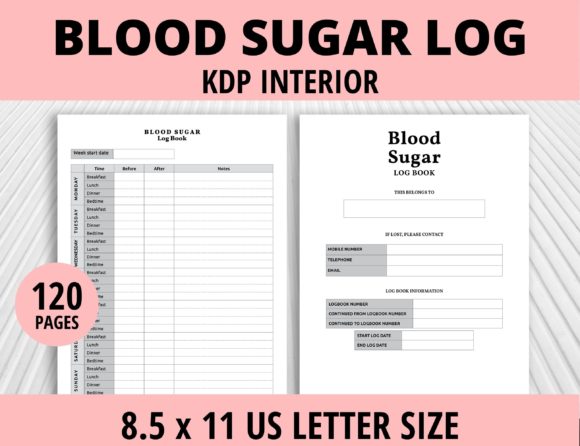
When evaluating resources for KDP interiors or personal use, the distinction lies in the layout's intentionality. A high-quality log provides adequate writing space for those with varying dexterity levels, clear column separation to prevent transcription errors during medical appointments, and a format that encourages consistency. The availability of editable source files, such as EPS formats, alongside ready-to-print PDFs allows users or publishers to customize these tools to specific trim sizes, ensuring the final product fits the user’s lifestyle—whether that means a pocket-sized tracker for travel or an 8.5 x 11-inch desk reference for comprehensive home monitoring.
Analog Logs Versus Digital Tracking Solutions
The decision between a physical Blood Sugar Log and digital tracking methods often depends on cognitive load, technological comfort, and the desired relationship with one's health data. Both approaches offer distinct advantages and tradeoffs that must be weighed carefully.
Cognitive Engagement and Retention
Research suggests that the physical act of writing enhances memory retention and cognitive processing. When users manually transcribe their glucose readings into a log, they are forced to pause and acknowledge the data point. This moment of reflection can lead to better awareness of how specific foods or activities impact blood sugar. In contrast, automatic syncing from smart meters or CGMs, while convenient, can sometimes create a passive relationship with the data. Users may glance at trends without fully internalizing the daily fluctuations. For individuals who feel disconnected from their management routine or who find themselves ignoring app notifications, a physical log can re-establish active engagement.
Data Privacy and Autonomy
Digital health tools often require cloud storage, account creation, and data sharing agreements. For privacy-conscious individuals, a paper-based Blood Sugar Log offers complete data sovereignty. There is no risk of server breaches, subscription lapses, or platform discontinuation. The record exists independently of any third-party service. This autonomy is particularly relevant for those managing sensitive health conditions who prefer to keep their medical history offline and under their direct physical control.
Accessibility and Technical Barriers
Not all users possess the latest smartphone models or reliable internet access. Digital apps frequently update, changing interfaces or dropping support for older devices. A standardized PDF or printed log remains universally accessible regardless of technological infrastructure. Furthermore, for older adults or those experiencing diabetic retinopathy or neuropathy, high-contrast print layouts with generous spacing can be significantly easier to navigate than small screens with low-contrast dark modes.
Evaluating Format Specifications and Customization
When selecting or creating a Blood Sugar Log, technical specifications directly influence usability. The standard 8.5 x 11-inch size offers maximum writing area and is ideal for detailed tracking that includes meal planning and extensive notes. However, this size may be impractical for carrying to work or restaurants. The ability to resize source files is a critical factor in versatility.
- Trim Size Flexibility: Access to editable EPS source files allows for resizing to 6x9 inches or other portable dimensions without losing vector quality. This ensures lines remain crisp and text remains legible regardless of the final physical footprint.
- Page Count and Duration: A 120-page PDF typically provides three to four months of tracking space if using one page per day, or up to six months if utilizing two days per page. Evaluating the page count against the intended duration of use prevents the frustration of running out of space prematurely or carrying an unnecessarily thick volume.
- File Type Utility: High-quality JPG files serve well for digital viewing or quick printing at home, while PDFs ensure consistent formatting across different printers and operating systems. EPS files are essential for professional publishing or significant layout modifications, such as adding specific medication columns or altering header language.
Strengths and Limitations of Physical Tracking
To make an informed decision, one must honestly assess where a Blood Sugar Log excels and where it falls short compared to integrated digital ecosystems.
Key Strengths
Battery Independence: A physical log never runs out of power. In situations involving travel, camping, or emergency preparedness, analog tools provide reliability that electronic devices cannot match.
Clinical Communication: Many endocrinologists and primary care physicians still prefer reviewing a physical log during consultations. Flipping through pages allows for rapid visual scanning of longitudinal trends that might be buried in app submenus. The tactile nature of the book facilitates collaborative discussion during appointments.
Customization Potential: With editable source files, users can tailor the log to their specific regimen. Someone on insulin pump therapy may need different columns than someone managing Type 2 diabetes through diet alone. Generic apps often force users into predefined categories, whereas a customizable log adapts to the individual.
Inherent Tradeoffs
Lack of Automated Analytics: Physical logs do not calculate averages, generate time-in-range graphs, or highlight hypoglycemic events automatically. Users must perform their own trend analysis or rely on their healthcare provider to interpret the raw data. For those who depend on real-time alerts or predictive algorithms, a paper log is insufficient as a standalone safety tool.
Risk of Loss or Damage: Unlike cloud-backed data, a physical book represents a single point of failure. If lost, damaged by water, or misplaced, the historical record is gone. Mitigation strategies include periodic photographing of pages or transcription to a secondary digital backup.
Manual Entry Burden: Transcribing data takes time and effort. During periods of high stress or busy schedules, compliance may drop. Digital tools reduce friction by automating capture; physical logs demand discipline.
Determining the Best Fit for Your Needs
Selecting the right tracking method is rarely a binary choice between analog and digital. Many successful managers employ hybrid approaches. Understanding when a Blood Sugar Log is the primary solution versus a supplementary tool helps optimize the management strategy.
When a Physical Log is the Primary Choice
A dedicated log is often the best fit for newly diagnosed individuals learning to recognize patterns. The deliberate pace of manual entry supports the educational phase of diabetes management. It is also ideal for those experiencing digital fatigue, individuals in environments where phone use is restricted, or patients preparing for intensive clinic visits who need to present organized, tangible records. Additionally, for publishers creating KDP interiors, offering a well-structured, resizable log addresses a persistent market need for non-digital health resources.
When Alternatives Are Necessary
If safety is the primary concern, particularly for those with hypoglycemia unawareness, CGMs with real-time alarms should take precedence. A paper log cannot wake a sleeping person during a dangerous low. Similarly, for individuals managing complex insulin dosing calculations requiring precise carbohydrate-to-insulin ratios, digital bolus calculators integrated with logging apps reduce mathematical error risk. In these cases, a physical log may serve only as a weekly summary journal rather than a primary recording device.
The Hybrid Approach
Many users find balance by using digital tools for daily safety and immediate feedback while maintaining a Blood Sugar Log for weekly reflections, appointment preparation, and long-term goal setting. This combination leverages the analytical power of technology alongside the reflective benefits of analog recording. When choosing a log for this purpose, prioritizing formats that allow for summary sections or weekly review pages adds significant value beyond simple daily data entry.
Making an Informed Resource Selection
Ultimately, the effectiveness of any tracking tool depends on consistent use. Whether selecting a pre-made KDP interior or customizing an EPS source file for personal printing, the priority should be alignment with individual cognitive preferences, clinical requirements, and lifestyle constraints. Evaluate the column structure, writing space, and portability against your actual daily routine rather than an aspirational version of it. A perfectly designed log that stays home because it is too large is less valuable than a simpler, smaller format that travels everywhere. By understanding the distinct role of physical logs within the broader ecosystem of glucose management tools, adults can choose resources that genuinely support their health journey rather than adding unnecessary complexity to it.