KDP Lined Journal 50: Streamlining Your Low Content Publishing Business
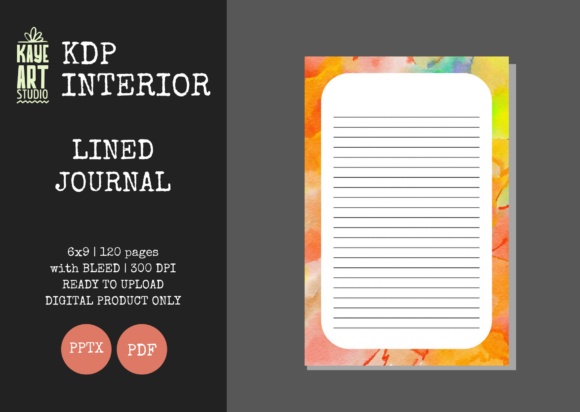
Building a sustainable income stream through Amazon Kindle Direct Publishing (KDP) often hinges on efficiency and consistency. For publishers focusing on no-content or low-content books, the repetitive nature of creating interiors can become a significant bottleneck. This is where KDP Lined Journal 50 serves as a critical asset for your publishing workflow. Designed specifically for entrepreneurs who need reliable, high-quality templates without the technical headache, this resource provides a pre-formatted solution that adheres strictly to Amazon’s printing specifications. Rather than spending hours adjusting margins or worrying about bleed settings, publishers can utilize this 120-page lined journal template to accelerate their time-to-market while maintaining professional standards.
Overcoming Technical Hurdles in Low Content Publishing
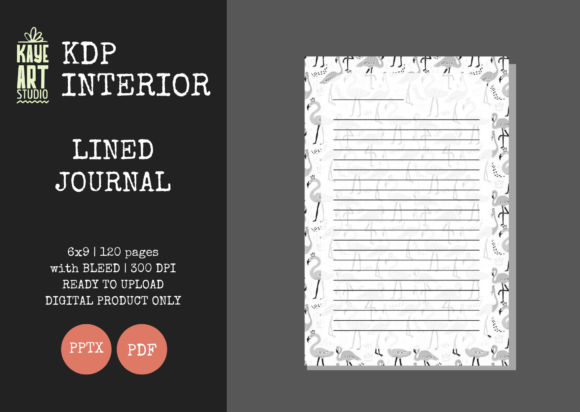
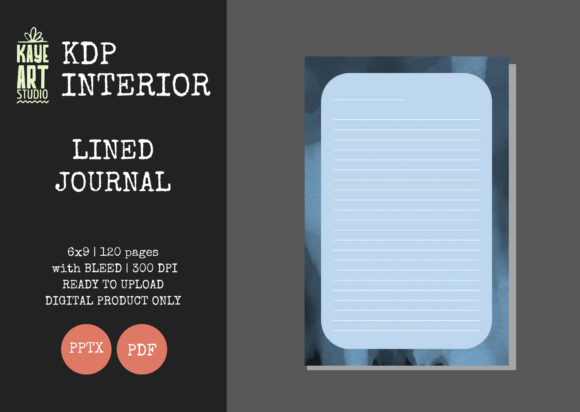
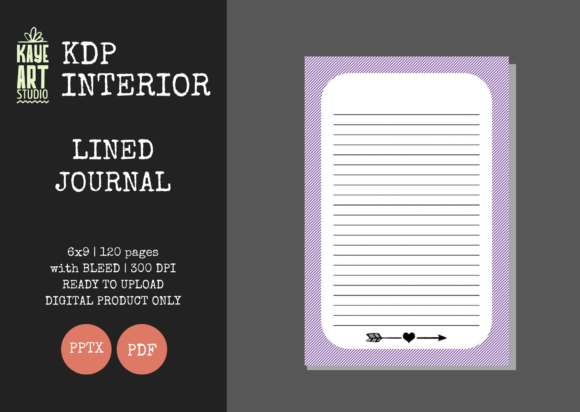
The primary challenge for many KDP creators is not the creative concept, but the technical execution. Amazon’s printing requirements are unforgiving; a margin error of even a fraction of an inch can result in rejected files or poorly printed books where text is trimmed off the edge. Beginners often struggle with setting up bleed correctly, leading to frustration and wasted time. KDP Lined Journal 50 addresses this pain point directly by providing a tested, ready-for-upload file structure. The template comes pre-configured with the correct 6x9 inch trim size and essential bleed settings, eliminating the guesswork involved in document setup.
Beyond technical rejection risks, there is the issue of production velocity. In the low-content niche, volume and variety often correlate with success. Creating unique interiors from scratch for every single listing is rarely a scalable business model. By integrating a standardized interior like KDP Lined Journal 50 into your catalog strategy, you free up mental energy and time to focus on what actually drives sales: cover design, keyword research, and niche analysis. This shift in focus from formatting to marketing is often the turning point for publishers moving from hobbyist to professional.
Technical Specifications and Quality Assurance
Understanding the specific attributes of this template helps ensure it aligns with your quality standards. The KDP Lined Journal 50 package includes both PDF and PPTX file formats, offering flexibility depending on your preferred workflow. The PDF is optimized at 300 DPI, which is the industry standard for crisp, clear print quality on Amazon’s paperback options. Blurry or pixelated lines are a common complaint in low-content book reviews, so starting with a high-resolution source file is non-negotiable for maintaining a good seller rating.
The inclusion of an editable PowerPoint file is particularly valuable for customization. While the base product is a simple lined journal, the PPTX format allows users to modify line spacing, add headers, insert motivational quotes, or include branding elements without needing advanced graphic design software like Adobe InDesign. This accessibility lowers the barrier to entry for publishers who want to offer slight variations of the standard lined journal to target specific sub-niches, such as gratitude journals, meeting notebooks, or student planners.
Critical Upload Considerations
When utilizing KDP Lined Journal 50, attention to detail during the upload process is paramount. The most important operational note for this specific interior is the bleed setting. Because the template is designed with bleed, you must select the "Bleed" option when uploading your manuscript to KDP. Selecting "No Bleed" will cause Amazon’s previewer to flag errors or shift your content incorrectly. Additionally, users must remember that this listing covers the interior only. You are responsible for creating a separate cover file that matches the 6x9 trim size plus the appropriate bleed allowances based on your page count of 120 pages.
Strategic Applications and Customization
The versatility of KDP Lined Journal 50 lies in how different publishers apply it to their unique business goals. A publisher focused on the wellness niche might use the editable PowerPoint file to add a small mindfulness prompt at the top of every third page, transforming a generic notebook into a specialized reflection journal. Conversely, a publisher targeting the academic market might keep the lines clean but adjust the cover design to appeal to college students during back-to-school season. The interior remains constant, saving production time, while the external packaging targets distinct customer avatars.
For those managing large portfolios, this template acts as a reliable baseline. Instead of testing fifty different interior layouts, you can test fifty different cover designs and niches using the same proven interior. This data-driven approach allows you to isolate variables; if a book sells, you know the interior was acceptable and the cover/niche combination was the winner. If it doesn't sell, you haven't wasted days designing a complex interior that nobody wanted. KDP Lined Journal 50 facilitates this lean testing methodology effectively.
Best Practices for Implementation
To maximize the value of this resource, consider the following practical recommendations for your publishing workflow:
- Verify Before Publishing: Even though files are tested, always download the digital proof from KDP before hitting publish. Screen rendering can sometimes differ from print output, and checking the physical alignment ensures the bleed is functioning as intended.
- Leverage the Editable Format: Do not settle for the default layout if your niche demands more. Use the PPTX file to add value. Simple additions like a "This Book Belongs To" page or numbered lines can differentiate your product from competitors using identical stock interiors.
- Match Cover to Interior: Ensure your cover design accounts for the 120-page spine width. Using a cover calculator in conjunction with this specific page count prevents misalignment between the front cover, spine, and back cover.
- Focus on Metadata: Since the interior is standardized, your competitive advantage lies in your title, subtitle, and backend keywords. Spend the time saved on formatting to research long-tail keywords that describe exactly who needs this specific type of lined journal.
Evaluating Fit for Your Publishing Needs
While KDP Lined Journal 50 is a powerful tool, it is best suited for specific scenarios. It is ideal for publishers who need a clean, professional, standard lined notebook foundation. It is less suitable for those looking to create highly illustrated activity books or complex planners with varying page layouts. However, for the vast majority of the lined journal market, simplicity is a feature, not a bug. Customers often prefer clean, uncluttered writing spaces over overly designed pages that reduce usable area.
Ultimately, success in KDP low content publishing is about removing friction. Every minute spent troubleshooting margins is a minute not spent analyzing market trends or designing attractive covers. By incorporating pre-tested resources like KDP Lined Journal 50 into your production pipeline, you professionalize your operation and create space for strategic growth. Whether you are launching your first book or scaling to your hundredth, having a dependable, high-quality interior template ensures that your foundation is solid, allowing you to build a resilient and profitable publishing business.