Food Journal - Meal Planner KDP Interior: A Strategic Resource for Publishers and Health Enthusiasts
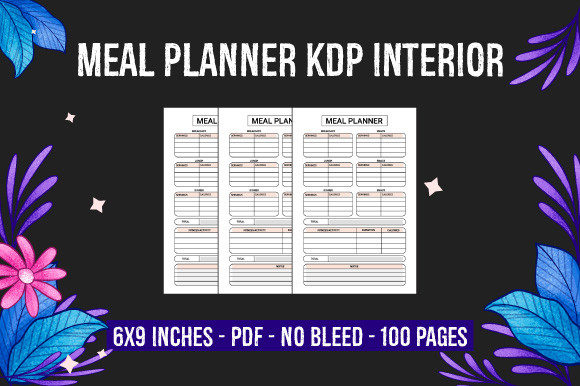
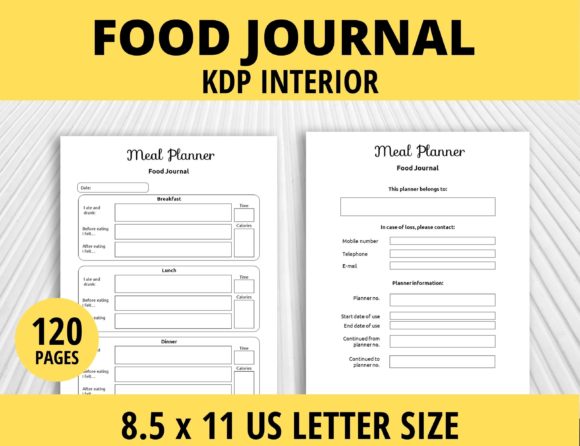
Creating a successful low-content or medium-content book on Amazon KDP requires more than just uploading a generic template; it demands a strategic approach to interior design that solves specific user problems. The Food Journal - Meal Planner KDP Interior serves as a comprehensive foundation for publishers looking to enter the competitive health and wellness niche. This resource is not merely a collection of blank lines but a structured 120-page system designed to facilitate mindful eating, nutritional tracking, and dietary organization. Whether you are an experienced self-publisher expanding your catalog or a health coach seeking a branded tool for clients, understanding the utility and flexibility of this interior is essential for creating a product that stands out in a saturated marketplace.
Addressing the Challenges of Dietary Tracking and Publishing
For adults managing their health, the primary challenge is often consistency rather than knowledge. Most people understand the basics of nutrition, yet they struggle to maintain the daily discipline required to see results. Generic notebooks often fail because they lack the specific prompts necessary to trigger behavioral change. When a journal does not account for hydration, mood, portion sizes, or grocery planning simultaneously, users abandon the habit within weeks. From a publishing perspective, the challenge mirrors the user's struggle: creating a book that offers enough structure to be useful without being so rigid that it alienates potential buyers with different dietary needs.
The Food Journal - Meal Planner KDP Interior addresses these dual challenges by providing a balanced framework. It bridges the gap between a simple diary and a complex nutritional database. For the publisher, it eliminates the hundreds of hours typically spent designing repetitive layouts, formatting margins for print bleed, and testing page counts. For the end-user, it removes the friction of setup, allowing them to focus immediately on their health goals rather than drawing tables or searching for digital apps that may feel impersonal or distracting.
Core Components and Technical Specifications
To maximize the value of this asset, it is important to understand exactly what is included and how each file type serves a distinct purpose in your production workflow. The package is engineered for versatility across different publishing and branding strategies.
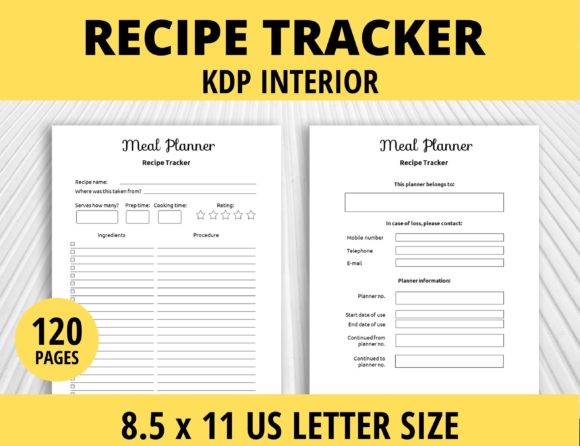
- PDF File (120 Pages, 8.5 x 11 inches): This is the print-ready master file. At 8.5 x 11 inches, it adheres to the most popular trim size for journals, offering ample writing space. The 120-page count is strategically chosen to provide approximately four months of tracking or a substantial quarterly planner, which is often perceived as higher value than standard 90-day journals while remaining cost-effective to print.
- Editable Source File (PowerPoint): This is the most critical asset for differentiation. Unlike locked PDFs, the PowerPoint source allows you to modify fonts, adjust column widths, add your logo, or change prompt questions. This capability transforms a commodity product into a unique brand asset.
- High-Quality JPG File: Essential for marketing and listing optimization. You can use these images to create realistic mockups for your Amazon listing, social media promotions, or digital lead magnets without needing to photograph a physical proof copy.
- Resizability: While formatted for 8.5 x 11, the vector-friendly nature of the source files allows for adaptation to other popular sizes like 6x9 or A5, enabling you to test different market segments with the same core content.
Practical Applications for Diverse User Goals
The true strength of the Food Journal - Meal Planner KDP Interior lies in its adaptability to various health journeys. Adults seek practical solutions for vastly different reasons, and your book description and positioning should reflect this versatility. Understanding these use cases helps in tailoring your metadata and cover design to attract the right audience.
Weight Management and Caloric Awareness
For individuals focused on weight loss, the journal acts as an accountability partner. The structured layout encourages users to record not just what they ate, but why they ate it. By utilizing sections for hunger cues and emotional states, the interior supports intuitive eating practices alongside traditional tracking. Publishers can position this version as a "Mindful Eating Workbook" rather than a simple diet log, appealing to those fatigued by restrictive diet culture.
Medical Necessity and Allergy Identification
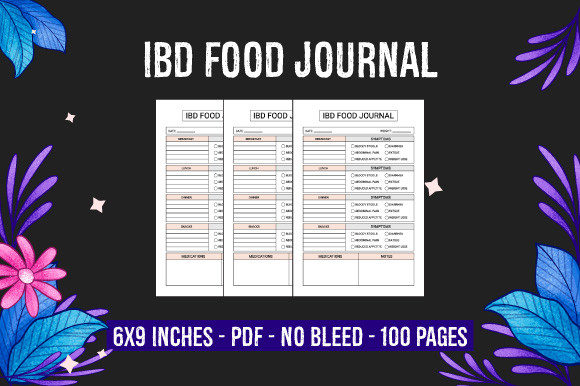
A significant demographic uses food journals to identify triggers for IBS, migraines, allergies, or autoimmune flare-ups. These users require precision over aesthetics. The editable PowerPoint file allows you to create specialized versions of this interior that include symptom tracking columns, elimination diet phases, or medication logs. Creating a niche-specific variant, such as a "FODMAP Tracker" or "Migraine Food Diary," can significantly reduce competition and increase relevance for medical users.
Fitness Performance and Macro Tracking
Athletes and fitness enthusiasts view food as fuel. Their needs differ from weight loss seekers; they prioritize protein intake, meal timing relative to workouts, and hydration. Using the source file, you can emphasize performance metrics within the existing layout. This application demonstrates how a single base interior can serve multiple sub-niches simply by adjusting headers and instructional text.
Strategic Customization and Implementation
Acquiring the Food Journal - Meal Planner KDP Interior is only the first step. To build a sustainable publishing business or a professional coaching toolkit, you must leverage the editable components effectively. Relying solely on the pre-made PDF limits your long-term growth potential.
Differentiation Through Design
In the KDP ecosystem, duplicate content is penalized both algorithmically and by consumer choice. Use the PowerPoint source file to alter the visual identity. Change the font pairing to match your brand guidelines. Add a proprietary introduction section that explains your specific philosophy on nutrition. Include motivational quotes or weekly reflection prompts that align with your target audience’s values. These modifications ensure your book is recognized as a unique intellectual property rather than a resold template.
Bundling and Product Expansion
This interior is designed to integrate seamlessly with other KDP resources. Consider combining the meal planner with a workout log, a gratitude journal, or a recipe organizer to create a comprehensive "Holistic Wellness Planner." The consistent 8.5 x 11 sizing and 120-page structure make it easy to merge files. Alternatively, you can break the content down to create smaller, focused booklets, such as a 30-day reset journal, using the resizability feature to offer a lower-price-point entry product.
Professional Coaching and Client Resources
For nutritionists, personal trainers, and wellness coaches, this interior serves as a high-value client deliverable. Instead of directing clients to third-party apps where you lose visibility, provide a branded physical journal. The ability to edit the source file means you can insert your contact information, website URL, and referral codes directly onto the pages. This turns every journal sold or gifted into a permanent marketing touchpoint. You might also use the high-quality JPG files to create digital worksheets for email subscribers, using the physical book as an upsell.
Considerations for Successful Deployment
When implementing this interior, keep user experience at the forefront. Ensure that any edits made to the PowerPoint file maintain adequate white space and margin safety zones for printing. Test the readability of fonts at actual print size; what looks legible on a screen may be too small for handwriting in a physical book. Always order a proof copy after making significant changes to verify that the binding and paper quality support the intended use case.
Furthermore, consider the seasonality of health goals. The Food Journal - Meal Planner KDP Interior is particularly relevant during New Year resolutions, pre-summer fitness pushes, and back-to-school routine resets. Align your customization and marketing efforts with these peak periods. By treating this interior as a dynamic platform rather than a static product, you can create a responsive publishing strategy that meets adult users where they are in their health journey, providing genuine value that translates into sustained sales and positive reader outcomes.